ETF Restoration · Lorain County

Restoration Services in Amherst, Ohio

For residential or commercial damage in Amherst, begin with the source and spread, then decide which materials can be cleaned, dried, repaired, or replaced.

Verified community context

What Amherst's property profile means for restoration planning

The ACS profile estimates 5,001 housing units in this city, with a median year built of 1971 and an estimated 88% owner-occupied share among occupied housing units.

12,906estimated residents
5,001estimated housing units
1971median year built
88%owner-occupied share

The community median falls in the later postwar period. Mechanical updates, additions, and prior remodeling may differ from the original construction, so the affected area should be mapped as it exists today. The ACS estimate shows a strongly owner-occupied housing profile. A homeowner-led scope should still identify any insurer, lender, association, or municipal coordination required for the specific property.

Source: U.S. Census Bureau, American Community Survey 2024 5-year estimates, geography 16000US3901798. Estimates describe the community, not an individual property. About the ACS.

Condition-based decisions

Three recovery paths to understand before work starts

These scenarios help Amherst owners organize the first conversation. The correct service and scope depend on the conditions documented at the building.

Mold Remediation

Correct the moisture condition, not only the visible growth

Visible discoloration is only one part of a mold concern. The practical sequence for a Amherst building is to identify the moisture source, define the affected area, select containment and removal methods for the actual materials present, and verify that the moisture condition has been corrected before finishes are restored.

Explore Mold Remediation

Environmental Remediation

Identify suspect materials before disturbing them

Age alone does not prove that a material is hazardous, but unverified materials should not be treated as ordinary debris. When a Amherst project may involve environmental concerns, the scope should distinguish inspection or testing, containment, removal, disposal, cleaning, and reconstruction responsibilities before disturbance begins.

Explore Environmental Remediation

Residential And Commercial Renovations

Turn the desired result into a buildable sequence

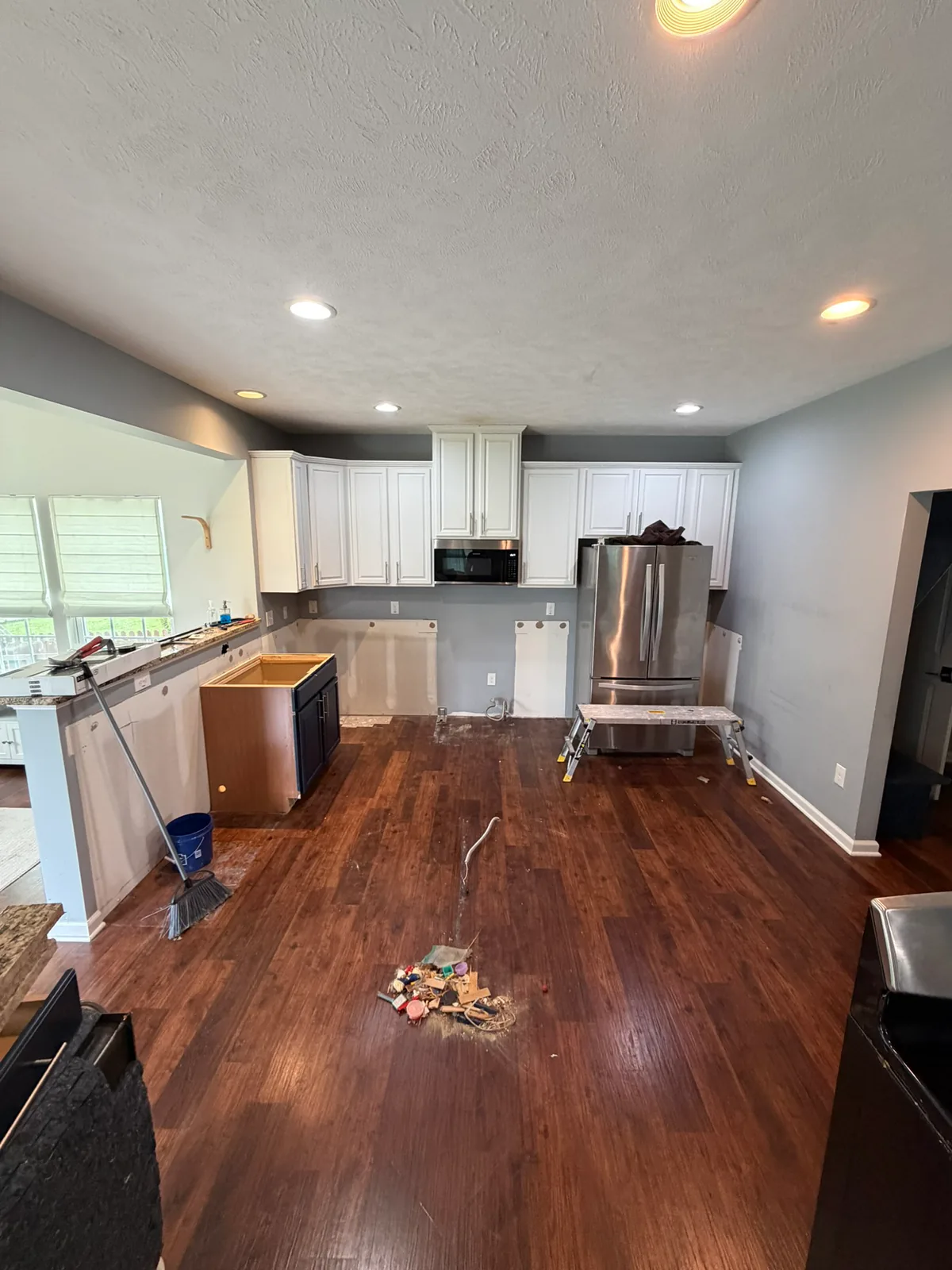
A renovation plan is stronger when the existing condition, intended layout, selections, protection needs, and work order are settled together. For Amherst owners, that means clarifying what stays, what changes, how adjoining spaces will be protected, and which decisions must be made before demolition or ordering begins.

Explore Residential And Commercial Renovations

First-call worksheet

Prepare a clearer Amherst restoration request

A concise record helps turn an urgent call into a usable site plan. Use the items beside this text before the visit when conditions allow.

Send ETF Restoration the project details
  1. Ask which areas can be isolated and which must remain in use throughout the Amherst project.
  2. Write down when the condition was first noticed and what changed immediately beforehand.
  3. Gather insurer and claim information if a claim has been opened; coverage decisions belong to the carrier.
  4. Mark finishes or contents with special value before cleanup or demolition decisions are made.
  5. Plan a final walk-through that checks completed repairs, remaining contents, documentation, and open items.
  6. Note whether the Amherst property is occupied and which areas must remain accessible during work.

Questions for Amherst property owners

Restoration planning questions answered

Can mitigation and reconstruction be planned together?

Yes. The immediate work and permanent repairs are different phases, but one connected scope helps ensure that demolition boundaries, drying or cleaning decisions, and finish replacement agree.

What if damage crosses multiple rooms or floors?

Use one affected-area map and divide it into work zones. Record the source, path, material condition, contents, access, and proposed action for each zone so important transitions are not missed.

Why address a water source before finish repairs?

New drywall, flooring, cabinets, or paint do not correct an active source or retained moisture. The source and affected materials should be evaluated before the repair layer hides the condition.

What should I document before cleanup begins in Amherst?

When it is safe, capture wide and close photographs, the date and time observed, the apparent source, affected rooms, temporary actions, and any contents moved. Keep that record with estimates and claim correspondence.

Discuss the actual conditions at your Amherst property

Tell ETF Restoration what happened, which areas are affected, and what has already been done. The next step should be based on the property—not a generic city-page promise.