ETF Restoration · Cuyahoga County

Restoration Services in Shaker Heights, Ohio

The right next step for a Shaker Heights property depends on the material affected, the extent of spread, occupancy needs, and whether temporary protection is required.

Verified community context

What Shaker Heights's property profile means for restoration planning

The ACS profile estimates 13,947 housing units in this city, with a median year built of 1945 and an estimated 60% owner-occupied share among occupied housing units.

28,922estimated residents
13,947estimated housing units
1945median year built
60%owner-occupied share

The community median points to a substantial older-building context. That does not identify the materials in any one structure, so concealed assemblies and suspect materials should be evaluated before invasive work. The ACS estimate shows a mix led by owner-occupied housing. The first call should establish whether the decision-maker is an owner, landlord, property manager, tenant representative, or commercial operator.

Source: U.S. Census Bureau, American Community Survey 2024 5-year estimates, geography 16000US3971682. Estimates describe the community, not an individual property. About the ACS.

Condition-based decisions

Three recovery paths to understand before work starts

These scenarios help Shaker Heights owners organize the first conversation. The correct service and scope depend on the conditions documented at the building.

Water Damage Restoration

Trace the water before planning repairs

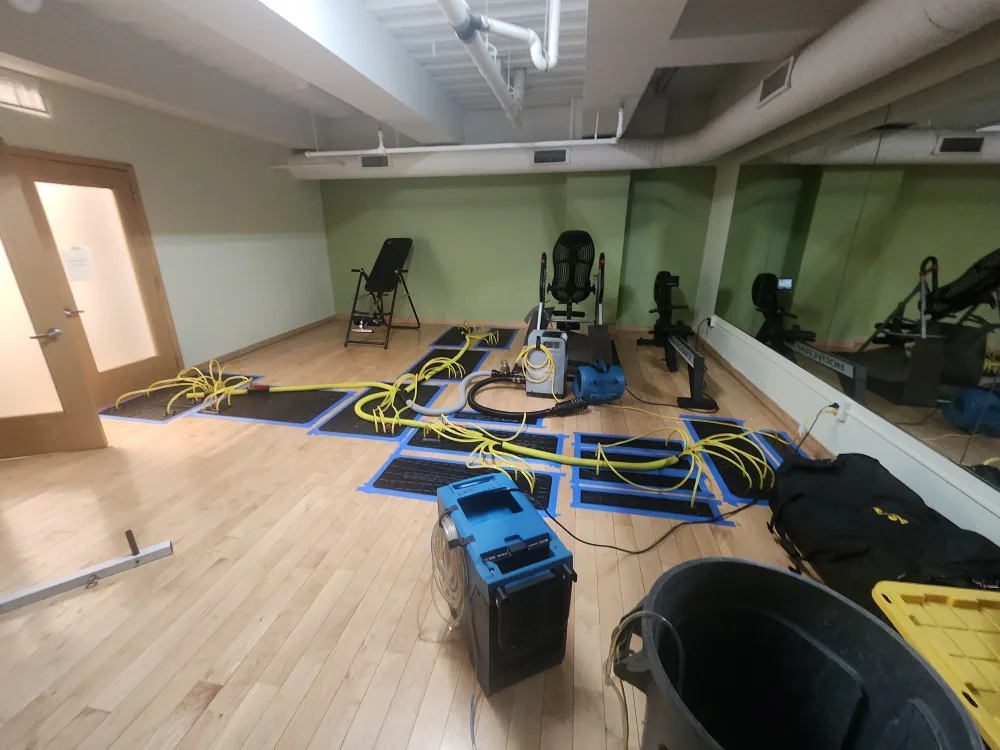
A useful water-loss scope separates the source from the spread. In Shaker Heights, that means documenting where the water began, checking adjoining rooms and lower levels, measuring materials that can hold moisture, and deciding what can be dried versus removed. Repairs should follow verified drying so concealed moisture is not simply covered by new finishes.

Explore Water Damage Restoration

Fire And Smoke Damage Restoration

Separate safety, residue, contents, and rebuilding

Fire recovery is not one cleanup task. A Shaker Heights property may need safety restrictions addressed first, followed by an inventory of smoke and soot impact, evaluation of affected contents, odor-control planning, and a reconstruction scope. Keeping those workstreams documented helps the owner, contractor, and insurer discuss the same conditions.

Explore Fire And Smoke Damage Restoration

Residential And Commercial Renovations

Turn the desired result into a buildable sequence

A renovation plan is stronger when the existing condition, intended layout, selections, protection needs, and work order are settled together. For Shaker Heights owners, that means clarifying what stays, what changes, how adjoining spaces will be protected, and which decisions must be made before demolition or ordering begins.

Explore Residential And Commercial Renovations

First-call worksheet

Prepare a clearer Shaker Heights restoration request

A concise record helps turn an urgent call into a usable site plan. Use the items beside this text before the visit when conditions allow.

Send ETF Restoration the project details
  1. List every adjoining room, level, wall, ceiling, or exterior area that may share the affected assembly.
  2. Note whether the Shaker Heights property is occupied and which areas must remain accessible during work.
  3. Gather insurer and claim information if a claim has been opened; coverage decisions belong to the carrier.
  4. Identify the owner, property manager, tenant contact, facility contact, and other required decision-makers.
  5. Record temporary actions already taken, including shutoffs, coverings, extraction, or moved contents.
  6. Separate urgent protection needs from permanent repair selections so neither delays the other.

Questions for Shaker Heights property owners

Restoration planning questions answered

How is cleanup versus replacement decided?

The decision should consider the material, source category, physical damage, contamination, moisture, finish requirements, access cost, manufacturer guidance, and whether a reliable completed condition can be achieved.

What if the work area may contain a material needing special handling?

Do not assume or disturb it based only on appearance or building age. Identify whether inspection or testing is appropriate, then define containment, removal, disposal, cleaning, and repair responsibilities.

Why address a water source before finish repairs?

New drywall, flooring, cabinets, or paint do not correct an active source or retained moisture. The source and affected materials should be evaluated before the repair layer hides the condition.

Does ETF Restoration serve other communities in Cuyahoga County?

Yes. Use the related-service-area links below or the complete service-area page to review the approved communities currently listed by ETF Restoration.

Discuss the actual conditions at your Shaker Heights property

Tell ETF Restoration what happened, which areas are affected, and what has already been done. The next step should be based on the property—not a generic city-page promise.